

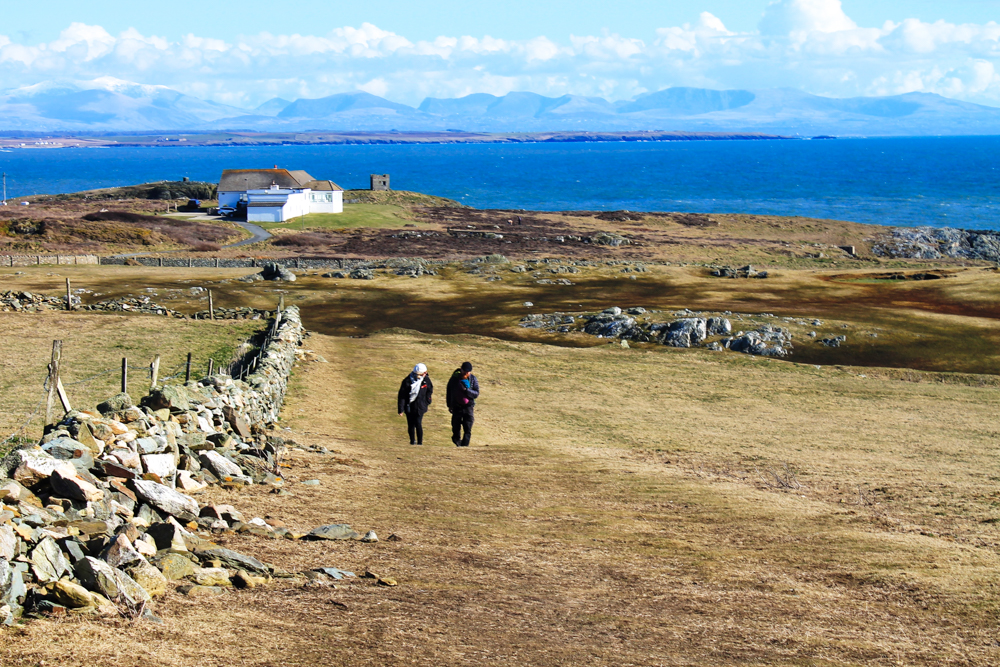
We walk out from the house, following the track that has long been worn into the grass that leads from the back gate across the field towards the coast. Here, at the bottom of Ynys Gybi (Holy Island), with the Welsh mountains rising up against the horizon, we are following a familiar trail around the headland, the worn soil between patches of heather and gorse above sandy coves and narrow cracks. On stormy days the waves are funneled, sending spray crashing high into the air, but not today.
The Irish Sea is choppy but not really rough. Across the flat expanse of Ynys Môn (Anglesey) we can follow the line of the mountains to the solid bulk of Yr Wydffa at its centre and a dragon’s back of peaks running down towards where the end of the Llŷn Peninsula meets the sea. We walk with this view and we walk with memories. Some of us have been coming to this place at the very edge of Wales for all our lives. It is a place of games played and maps drawn. Of fires on the beach and kayak trips beneath the cliffs. Some are stories to be told time and again. Others are to be held close and are not for sharing.
It’s not a long walk. We will soon reach Borth Wen, the main beach of Rhoscolyn, where we might turn for home. Or we might cross the damp sands and make the climb up to the coastguard lookout, following the path beyond the red-walled cliff to the white arch and then the route through the fields and back to the village. We could continue further, following the little markers of the coastal path, all the way to Trearddur Bay and its whitewashed cottages, to South Stack and its lighthouse, and the cliffs of Gogarth where the climbers dream of white horses.
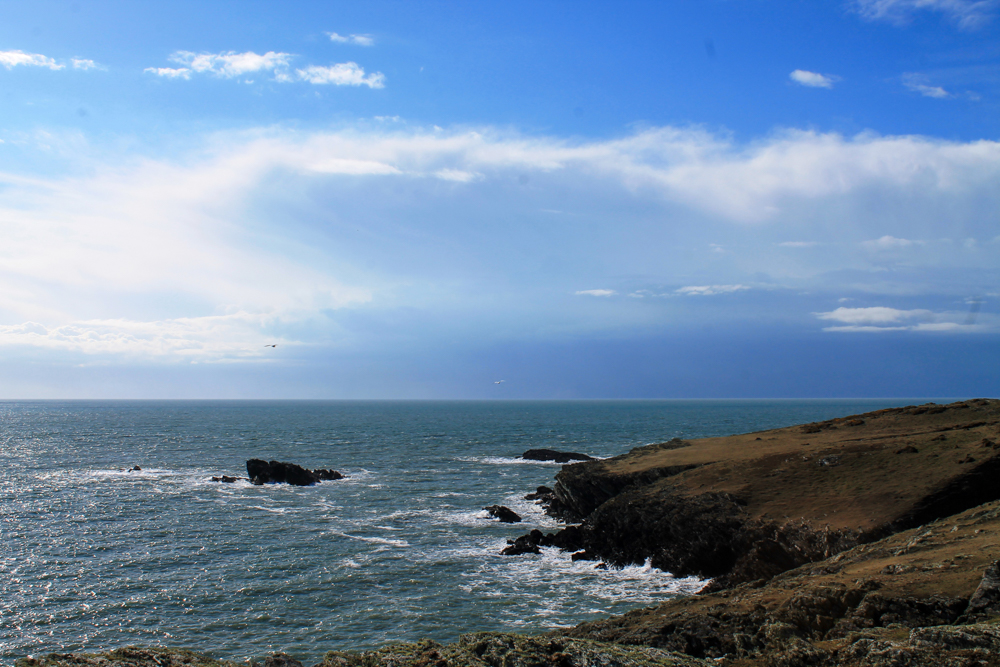
But for today it is enough to reach the beach. To sit on the pebbles and look out across the bay at low tide. How many times have we walked this headland? How many times have we walked it today? When asked about a favourite walk, what would you answer? A once-in-a-lifetime trek through the Himalaya or the Andes? Completing a challenge like the Yorkshire Three Peaks or the last of your Munros? Or is it more likely to be somewhere more familiar? A walk where you are following in your own footsteps, adding another layer to your relationship with a place, adding more stories to the tales already told?
***
In Wustrow, on the Baltic shore, holidaymakers queue for fish rolls and beer at the harbour, the air filled with woodsmoke and the sound of heavy canvas sails flapping in the breeze. This harbour does not look out onto the open sea. Instead it faces the Bodden, the shallow, brackish lagoon that separates the Fischland-Draß-Zingst peninsula from the German mainland. For the most part the lagoon is lined with tall reeds that hide not only the water but also shy birds. Every so often an inlet or cove offers access to the water, where it is possible to catch a glimpse of waves born of Baltic winds.
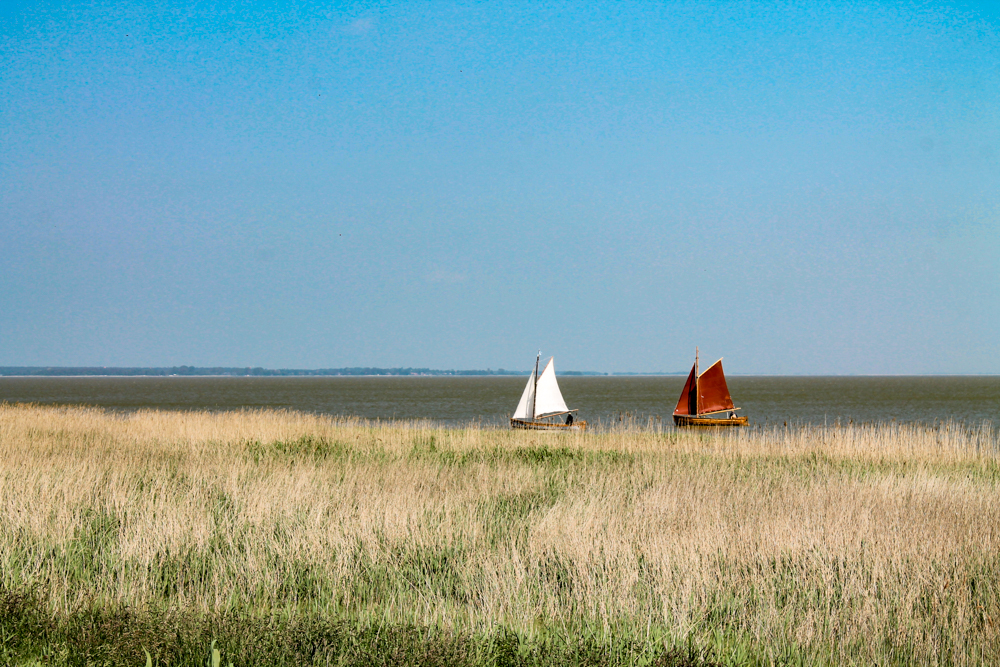
We walk away from the harbour along the Bodden shore, passing the last of the thatched houses as the sky opens out above fields of yellow rape almost glowing beneath. Swallows and housemartins dive and dance, chasing the insects that rise above the fields and the lagoon beyond the reeds. Here, away from the holidaymakers of the harbour and the town, down by the pier, where the trade in ice cream and fried fish is brisk, the Bodden stills feels like something of a secret, a place of melancholy beauty even in the brightest of sunshine.
We come here once a year, almost always in late spring. And we always walk the same way. Soon we will reach the next village and another harbour. More fish rolls and beer, guesthouses and holiday cottages, the sand from the beach traipsed through the town and collected in the bottoms of shoes and the turn-ups of trousers. These places have their charms, but when we come to the peninsula it is the path down by the Bodden that makes us feel like we have really arrived. That we have made it back, to once again reach our Baltic.
The Baltic shore, like the coastline of Ynys Gybi, is part of our family. These walks are born of histories that started before we were born, in Wales and the north of England, in Berlin and the GDR. Over time the family stories have become mixed, the histories shared. We walk together in Wales and in Mecklenburg-Vorpommern. We add new memories to those that only some of us remember. And each time we see the same trails along these very different coastlines in new and different ways.
***
Even paths we have walked many times can be made anew. We step out from our little yellow house on the edge of a Brandenburg village and follow a rutted, sandy trail to where the houses meet the fields beside the water tower. From there we will walk the track along the fringe of the forest, before dropping down the low hills formed at the end of the last Ice Age and through which dry valleys have been used to link the settlements for centuries.
It is a walk we have made many times, but never like this. The snow came overnight, covering the roofs and gardens, piling up against lampposts and tree trunks. Our neighbour, making tracks between his woodpiles, tells us over the fence about the day he was born. A day a lot like this one, when his mother had been taken to the doctor’s surgery by horse-drawn sleigh. It sounds like a tale from another century, and it was, but still…
We have walked this way many times, and normally can count on one hand the number of people we meet. But this time it’s different. Our neighbours stroll together, hands thrust deep into pockets. Cross-country skiers have pulled their equipment out of dusty basements to make fresh tracks across the fields. A family sits on small sleighs, each tied to the one in front, and all of them being pulled by a horse. And then, right before we turn into the forest, a shout and a yell. Two racing sleds come flying by, each pulled by a team of dogs. Where have they all been hiding? And how long have they been waiting for this snow to fall?
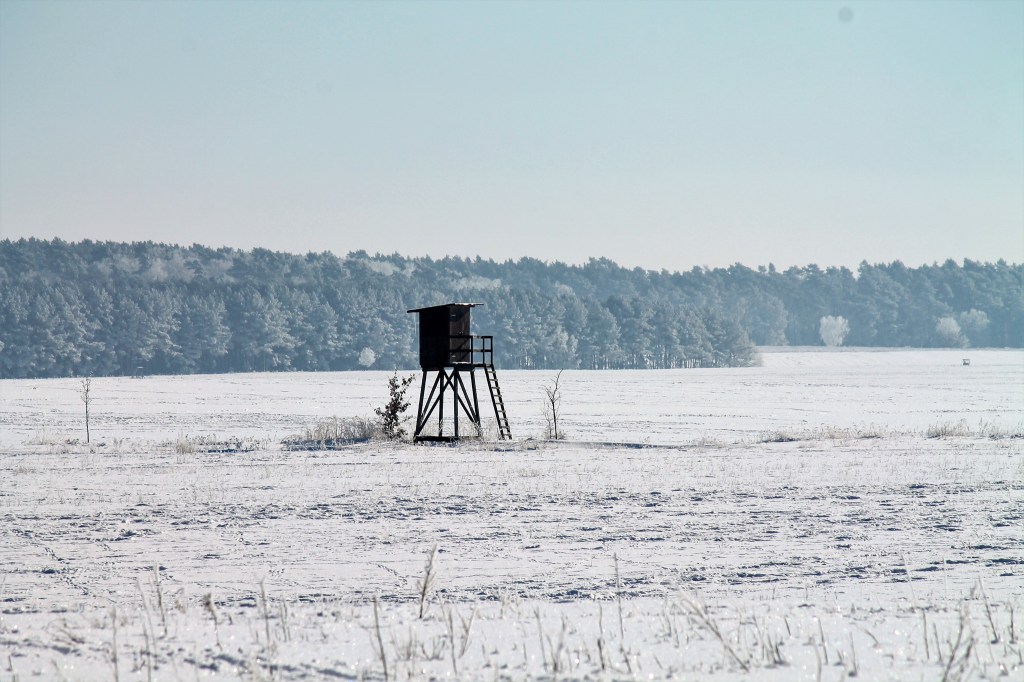
These familiar trails suddenly feel so different. It is as if the snowfall has awoken something in all of us, drawing us out from the warmth of our houses to the fields and the paths between the trees. Perhaps it can only be explained by what it has triggered in the depths of our memories and our imagination. Of the places we have been and the things we’ve seen. Of the words we have read. Snowfall can make the whole world seem new, and it is as if we are all walking these familiar paths for the very first time.
***
In Rhoscolyn, my Uncle and Aunty are celebrating half a century since they moved to this magical place at the end of the lane. We are in their cabin, with a view across the fields to the sea, the island and the mountains beyond.
‘Do you ever get bored of the view? Of the walk around the headland?’
He shakes his head. But I already knew the answer was coming.
‘It’s always different. The light on the mountains. The light on the water. The wind and the waves. The people I am walking with. Where we are all and where we have been to be standing here together. No, I could never get bored.’
On the lower slopes of the Eryri mountains, the falling sun reflects on the windows of scattered farmhouses. For this time, in this moment, it is enough to simply be here. A place so full of stories to be told and retold, and yet where we are sure there are many more to be written.
Words by Paul Scraton
Photographs by Katrin Schönig
