
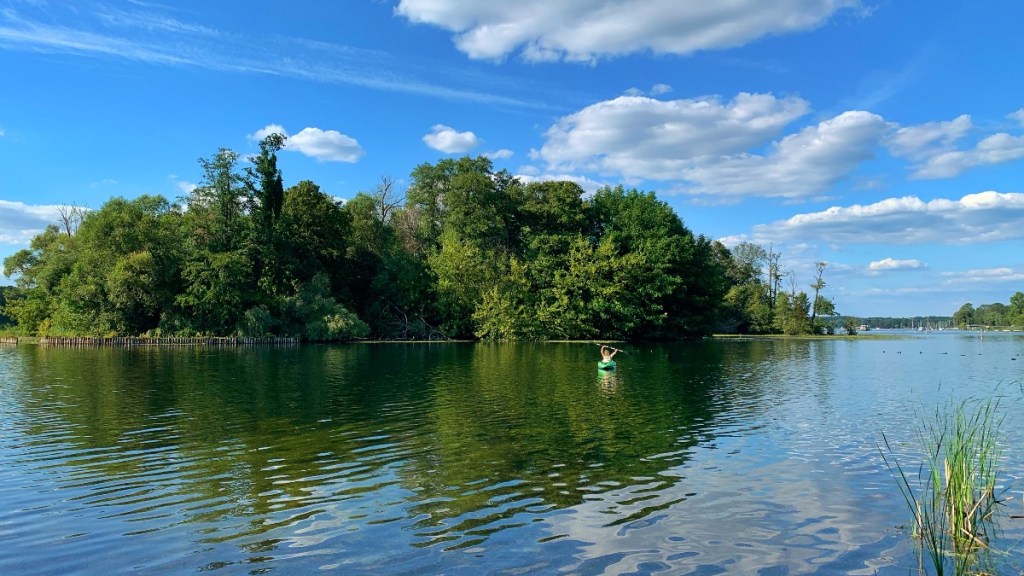
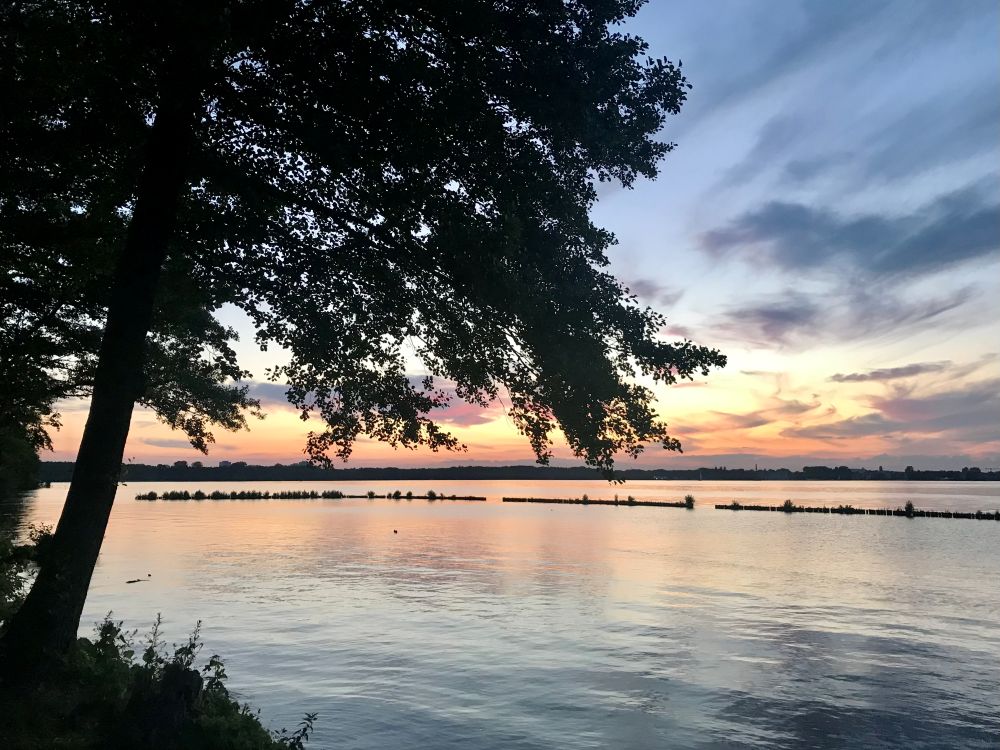
From the street, which runs in a straight line through the forest in the north of Berlin, it is a short walk through the trees to the water. This is a place of sailing boats and rowing clubs, of small colonies of holiday cabins and the odd bathing beach. Trails run between the woods and the water, where herons stalk the shallows between the reeds. On weekends in the summer the beaches are packed. In the winter, at the harshest of moments, ice forms and only the bravest of souls make the plunge. At all times, it is hard to imagine that we are still in the city. That this is still Berlin.
The Tegeler See has become our lake. Presumably most Berliners have one. Summer after summer we have explored the many hundreds of bodies of water that can be found scattered across Brandenburg and even within the city limits of Berlin itself. But this is the one we return to. It is close enough to home to be a destination on a morning bike ride or run. It is half an hour on the bus or fifteen minutes in the car. There are prettier lakes, perhaps. Bathing spots that have less people in the height of summer. But this place has become ours.
We head there after work, loading up an improvised picnic and the inflatable kayak. We find a small cover with access to the water, to swim and take turns in paddling across to the nearest island. On an autumn weekend we walk in the woods, passing by some of the oldest trees in Berlin in the forests where the Humboldt brothers once played as children. You can run a half marathon here without ever crossing a road, ride your bike for hours on gently undulating trails with no fear of traffic. Or head to the Greenwich Promenade at Tegal and catch one of the pleasure cruisers that criss-cross the lake, filled with people sipping beers and enjoying the view.
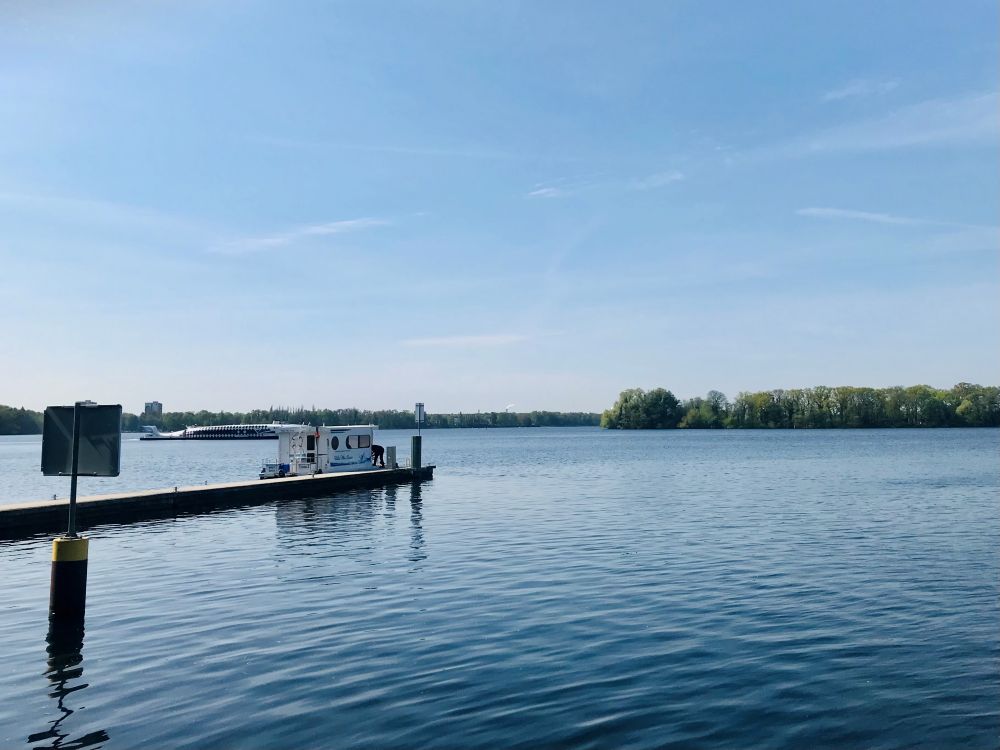
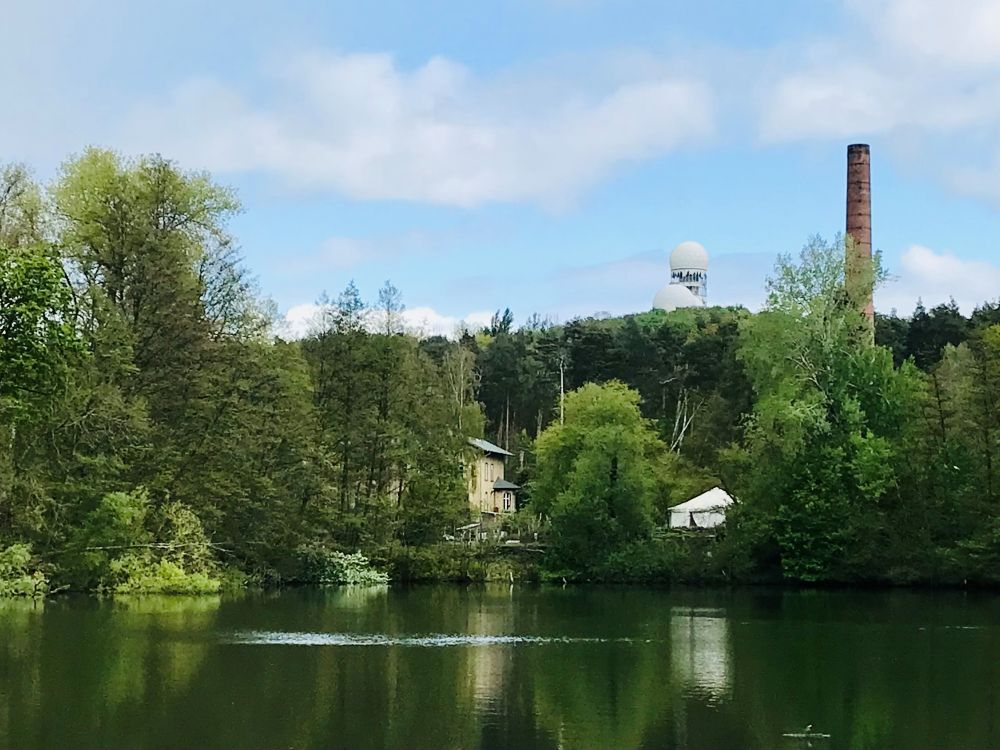
What a privilege it is to be able to find escape on a lake inside of Berlin. From the water you can see the steam rising from the power plants of Ruhleben. The huge industrial complexes of Siemenstadt are just a couple of kilometres away. The old airport, prison and the factories that once built the locomotives that opened up the globe are all nearby. But Berlin is like that. Even in Germany’s largest city, it is possible to find space. There are many reasons why our home city is special. Culture and nightlife. Friends and family. History in its many shades. We have memories that linger on the streets and squares, in the beer gardens and cafes, the cosy corners of bookshops and pubs for when the long winter takes hold.
And we have the forests and the lake, the places to which we can escape, without ever really having to leave home.
Why travel to Berlin?
Of course we are biased, because this is our home, but beyond all the traditional reasons that people come to Berlin, we also think that this is something of an underrated destination when it comes to outdoor activities. If you fly into Berlin’s international airport and are lucky enough to have a window seat, you will get a sense of the landscape. Yes, it is flat here. But there are forests that encircle the city and reach right into its very heart, and as mentioned above, there are thousands of lakes to explore.
Our favourite lakes for walking, swimming, SUP-ing and kayaking within the city limits include Tegeler See in the north, Müggelsee in the south-east, Wannsee and Schlachtensee in the south-west, as well as the Orankesee (only accessible via the swimming beach) in the east. All are really easy to reach with public transport.
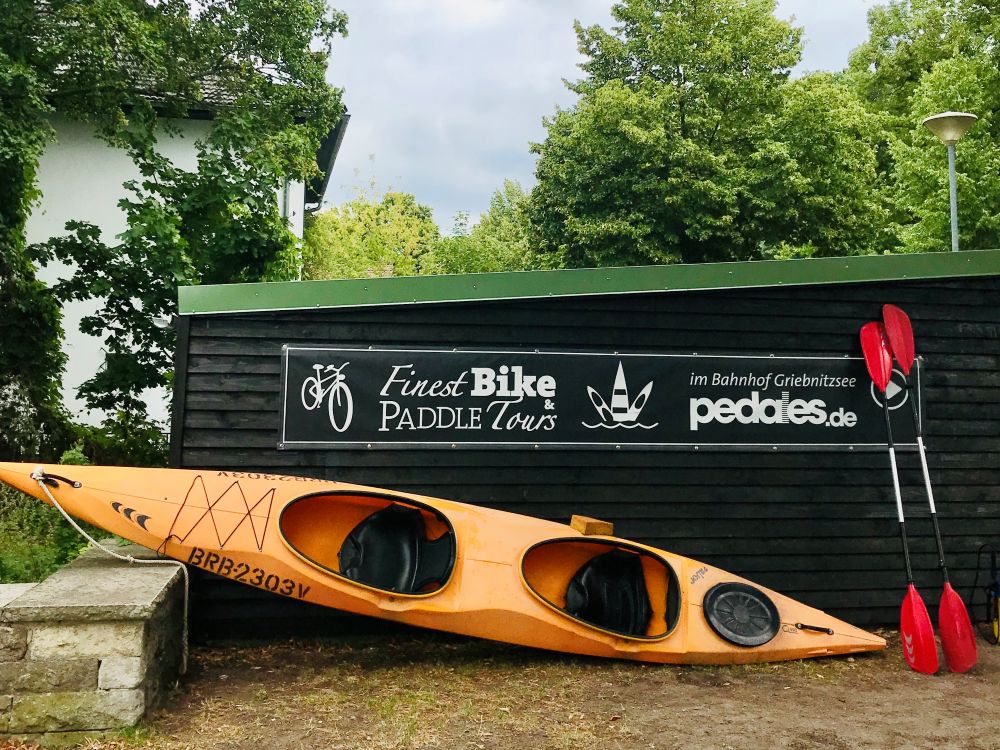
Our favourite spot to kayak is just beyond the city limits at Griebnitzsee in Potsdam (on the Berlin transport network), where you can paddle along the old border between West Berlin and East Germany, passing by the villas of the Potsdam Conference and beneath the famous Bridge of Spies. Potsdam by Pedales offers kayak, SUP and bike rental at Griebnitzsee station.
Berlin is full of green spaces, including lovely parks and gardens, but the city’s forests are arguably the star. The most famous is the Grunewald, where you can hike, bike and run to your heart’s content on trails that not only pass through the trees but also passing inland sand-dunes, historic towns, rubble mountains that are some of the highest points in Berlin, and lakes in which to cool off.
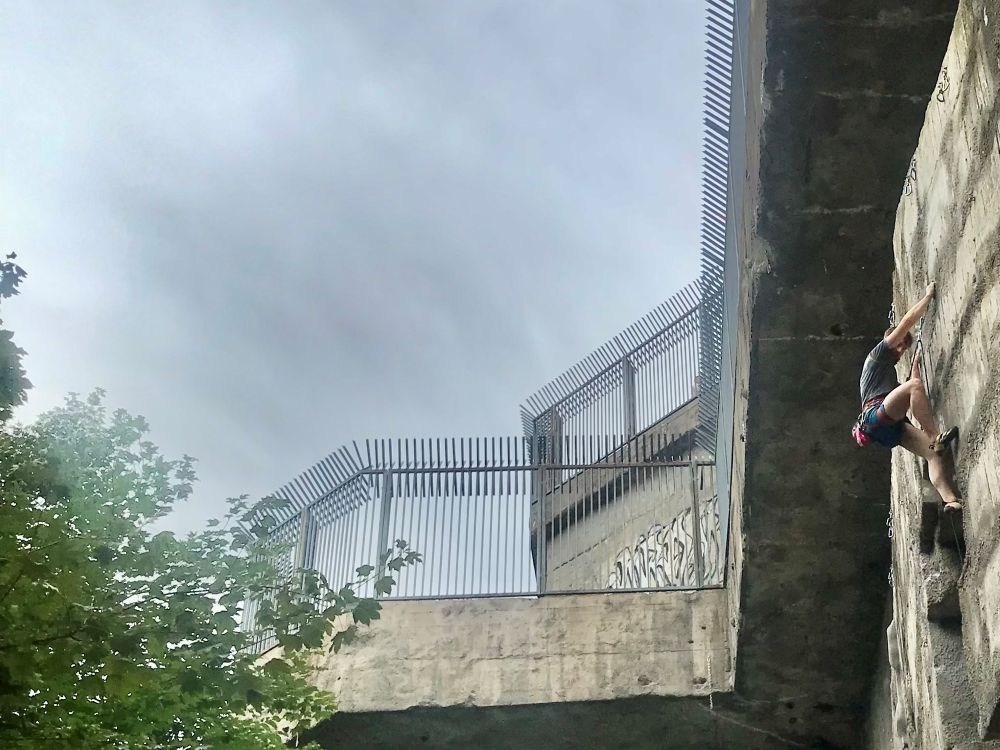
Our hometown is located in one of the flattest bits of Europe, so anything you might want to climb is very likely to be human-made. There are loads of climbing and bouldering gyms to choose from. Urban Apes are extremely friendly and welcoming spaces, and in some interesting locations including an old brewery and a former shopping centre. The most dramatic spot for outdoor climbing is undoubtedly the Flak Tower at Humboldthain. This former military installation and WWII bunker is now part of the park, and its “North Face” is under the jurisdiction of the German Alpine Association.
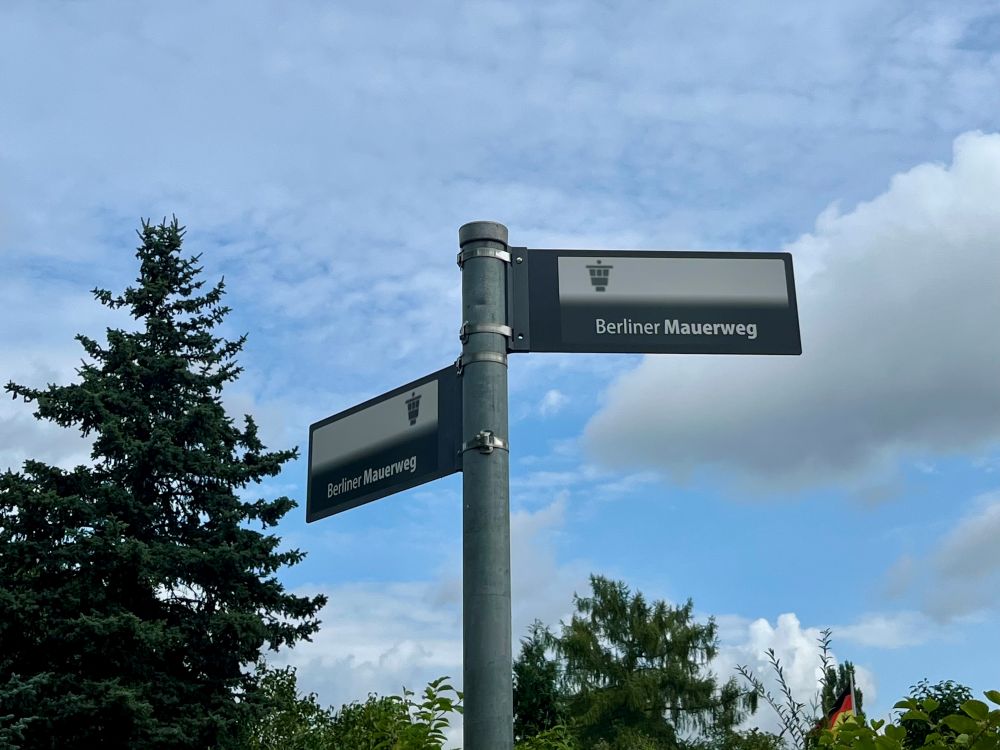
After WWII, Berlin was divided until reunification in 1990, and the former border between east and west is where you’ll find the Berlin Wall Trail. This 160km biking, hiking and rollerblading route is well-marked and split into stages. The section through the city centre takes you past many iconic landmarks, such as the Brandenburg Gate, the Reichstag, Checkpoint Charlie and more. On the edge of the city, the route includes some of the most beautiful lakeside trails and routes through the forest. Each August, ultra-runners compete in the Mauerweglauf (for individual runners and relay teams) in memory of those who lost their lives at the border.
Favourite walk in Berlin
Outside of the city, many of the stages of the 66-lake-trail are well worth exploring and really give you a feel of the landscape, towns and villages, and – of course – the lakes of this part of the world. Each stage of the trail starts and finishes at a station or other public transport option, which makes it a popular choice for people to do over time. #
Inside of Berlin itself, there are countless walks to choose from, so we’ll pick two: one in the north and one in the south.
The northern walk begins on the lakeshore at Tegal and then follows the Tegeler Fließ, a stream that was once the site of reindeer migrations and the location of some of the oldest traces of human settlement anywhere in and around Berlin. There’s no reindeer anymore of course, but in the summer you will spot water buffalo that have been brought to help manage the marshland, loads of birdlife and, at Lübars, a lovely little village that still belongs to Berlin even if it is right on the very edge. Both Tegel and Lübars are connected to the public transport system, and there are nice spots for a bite to eat at either end of this walk. There is a version of this walk uploaded onto Komoot.
In the south, the walk from Grünau station to the Müggelberge hills and down to the Müggelsee will take you on a public transport ferry across the lake, up to Berlin’s highest natural point, down to the lakeshore where you’ll find waterside trails and beer gardens on the way to the tunnel under the Spree and Friedrichshagen.
As with the walk to Lübars, this is great at all times of the year and feels very different depending on the season. Just check in the height of winter if the ferry is running. One year we tried to do the walk and the lake had frozen, leaving us with quite a long detour using the tram! Here’s the walk on AllTrails, with the S-Bahn connecting both ends of the walk to the rest of the city.
Travel tips for Berlin
So, disclaimer time. At the time of writing, Katrin works for The Circus Hotel, Hostel and Apartments in Berlin while Paul has also worked there and, indeed, it is where we actually met. That said, we wouldn’t have maintained such a long connection with the place if we didn’t think it was actually pretty good, and the best thing is that they have everything from backpacker dorms to boutique hotel rooms and fully furnished apartments, so whatever you need for your Berlin trip, The Circus will have you covered.
One of our favourite beers in Berlin is BRLO, who have a great brewery and beer garden in Gleisdreieck park that makes for a good destination after a walk through the city or the park itself. They also have a nice bar in town called KASCHK, just a short walk from The Circus. In the south of the city, Loretta at Wannsee and the Fischerhütte am Schlachtensee both make fine places to break a walk by the lake and through the forest.
The official Visit Berlin website does a great job of showing everything that is going on and is possible in the German capital, including a guide to lakes, parks and green attractions in the city. Our favourite resource is undoubtedly Slow Travel Berlin, a place where you might also find some of our words and pictures. The website is something of a treasure trove of articles and essays on everything from art and culture to history, not to mention the best places to walk and swim.
Words by Paul Scraton
Photographs by Katrin Schönig and Paul Scraton
