
We leave the house early, and everything at the harbour is calm. The boats are moored, sails down. The restaurant closed. A solitary runner jogs past, but otherwise the only movement is the smoke rising from where the fish is being prepared for the lunch rush in a few hours time. The air is crisp on this May morning, as if winter is reaching out with its final touch. But the sky is deep blue and as the sun rises so will the temperature.
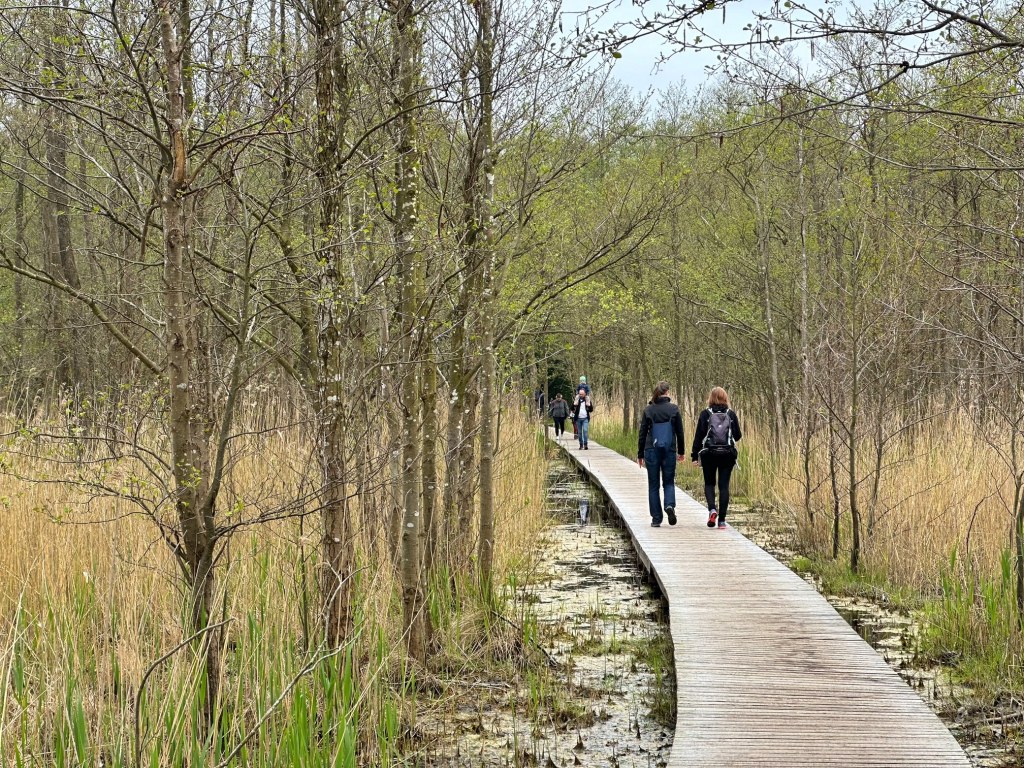
Beyond the last of the houses, swallows dart above the field of wheat that is gently swaying in the morning breeze. In the distance, the turn of a head alerts us to the presence of one, no… two, no… three deer out in the open for a morning graze. From where we stand we can see more than a kilometre along the trail between the fields and the inland sea, and no other humans are in sight.
Later, this path will be home to a steady stream of walkers, runners and cyclists. Beyond the reeds, sailing boats will cross the inland sea as clouds race across the sky. For now though, this is the preserve of the deer and the fox, the rabbits and the white-tailed eagle, soaring above the lagoon.
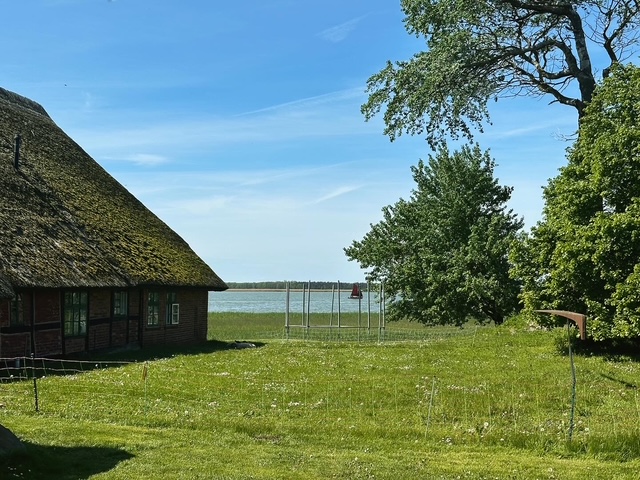
We run along the trail to warm ourselves against the early morning chill. It works well enough that when we return to the little beach at the end of the promontory, a peninsula on the peninsula, Katrin strips down to paddle out into the shallows. By now, a couple of women have arrived on their bikes from town, dressed in wooly hats and puffer jackets. They watch Katrin with a mix of amusement and bemusement, but we all agree on one thing: it’s pretty lovely out here this morning.
By the time we’ve returned home, Wustrow is waking up. People drink coffee on the terrace of their holiday homes or in front of their campervans in the car park. The first of the boat captains has arrived at the harbour, to prepare his vessel for the day’s journeys to come. The bakery is delivering bread rolls to the fish stand, while a group of Nordic walkers make their way towards the path we have just followed, their click-clacking poles adding to the sound of boat masts rattling in the breeze.
The day is waiting, and now we just have to decide what to do with the rest of it.
Why travel to Wustrow?
Wustrow, sitting at the narrowest point of the Fischland-Darß-Zingst peninsula in northern Germany is the perfect gateway to explore one of the most underrated outdoor destinations in Europe, especially by those from outside the country. The German Baltic coast stretches from the Danish border by Flensburg to Poland on the island of Usedom/Uznam, and to be honest, there are many places we could recommend to start your Baltic explorations.
We decided on Wustrow for our first Baltic guide because it is a place we return to every year, but also because it is one of the places where you can best experience the duality of this coastline: the Baltic sea on the one side, and the Bodden or the lagoon on the other. Whether it is between a peninsula such as Fischland-Darß-Zingst or an island like Usedom, the Bodden of the Baltic shore have long had both social and economic importance for the communities that live alongside them, but they also give the landscape in this part of the world a very specific identity.
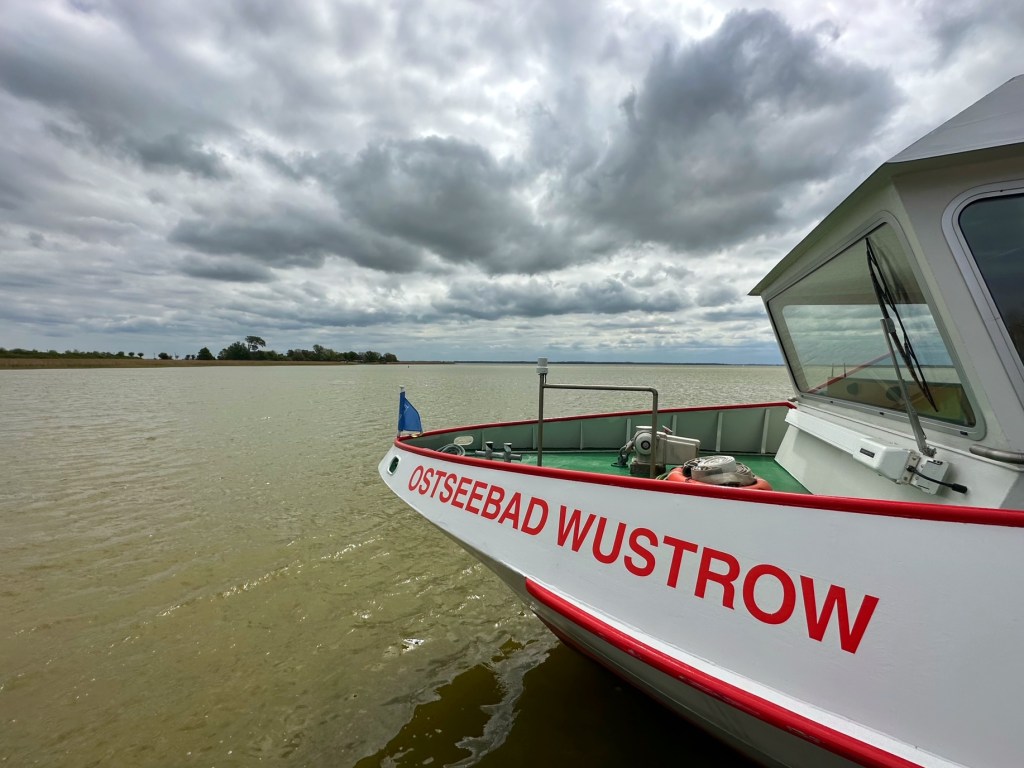
The width of the peninsula between the pier and the beach at Wustrow (facing the Baltic) and the harbour (facing the Bodden) is about a mile, which is why this town perhaps more than any along the Baltic shore is one of the easiest places to experience both. Neighbouring Ahrenshoop, a place that has been attracting painters and writers to the peninsula since the end of the 19th century, is perhaps more popular and well-known, but we return time and again to Wustrow for its down-to-earth charms.
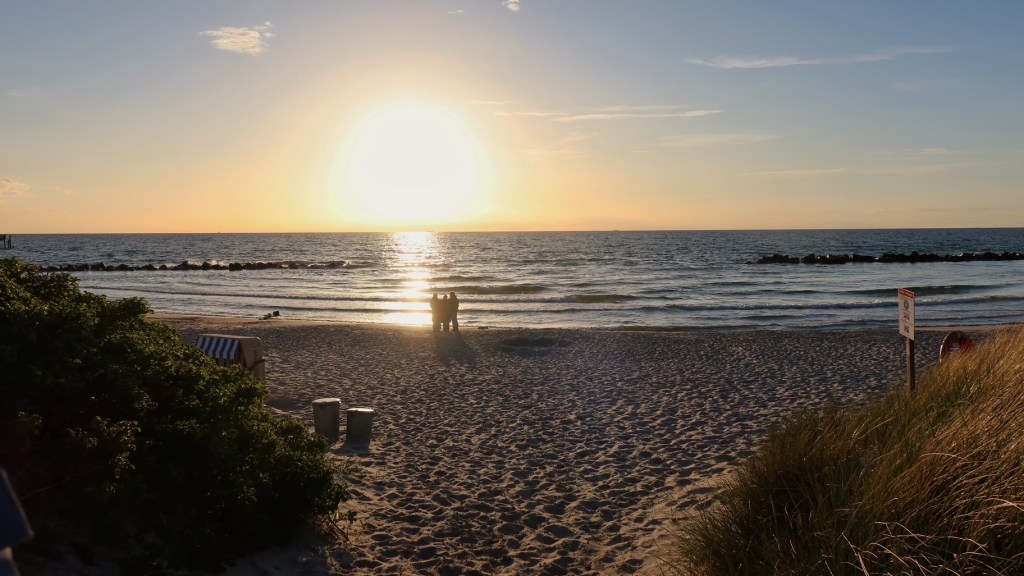
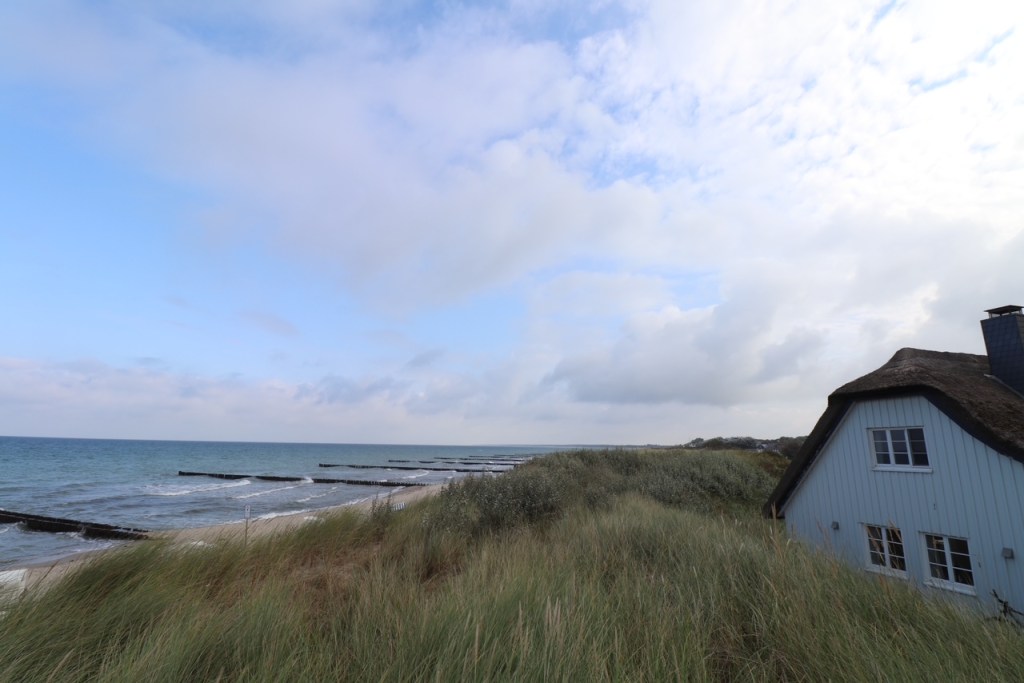
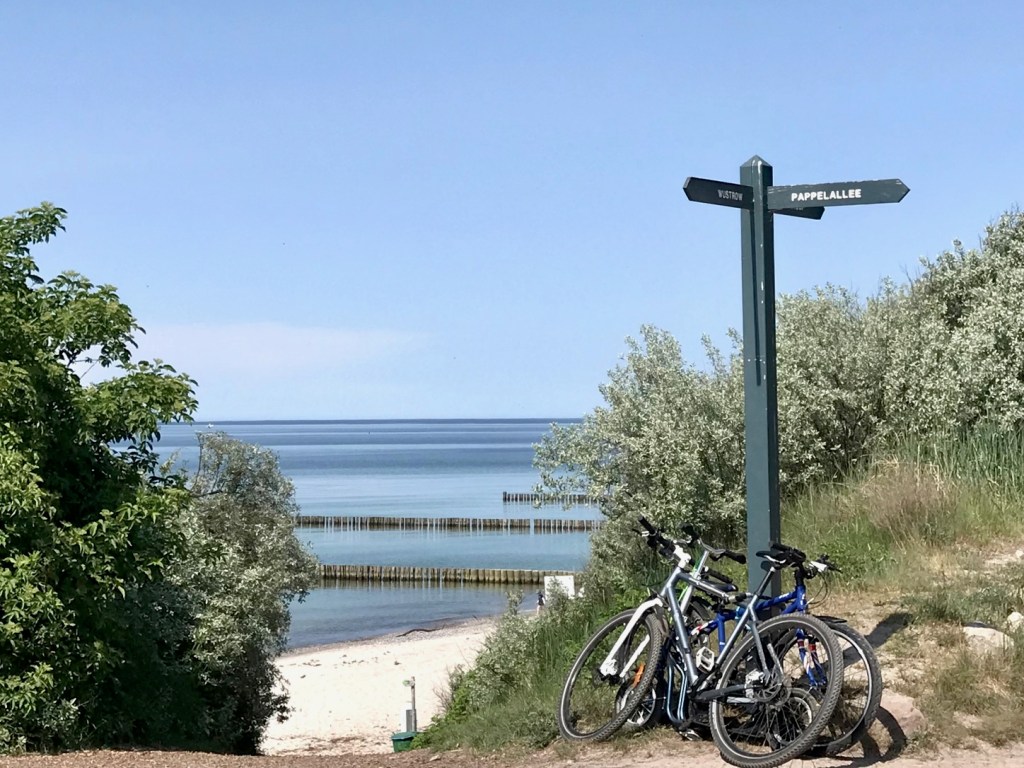
Within Wustrow and across the wider peninsula, spending time outside is basically what you do. The beach has the usual collection of wicker beach chairs which can be rented for that authentic German seaside experience, with stands to buy fish rolls and fresh waffles, ice cream and beer, and a couple of restaurants. There is a section of the beach protected by wavebreakers, which makes it a safe place to swim.
On the other side of the peninsula, the Bodden is the place to catch a ride on a traditional Zeesboot, the original lagoon fishing boats. Some of them are still working today, but most of them you see sailing across the Bodden with their distinctive brown sails are for visitors to enjoy the landscape from the water. Quite often, the captain will have a bottle of local schnapps with him, to warm you up if the Baltic breeze is growing strong.
Watersports fans should head to nearby Born, where the Surfchuppen Born offers kite surfing, wind surfing, kayak and SUP rental. The shallow waters of the Bodden make this a particularly good place for beginners to learn, and there is also a campground attached.
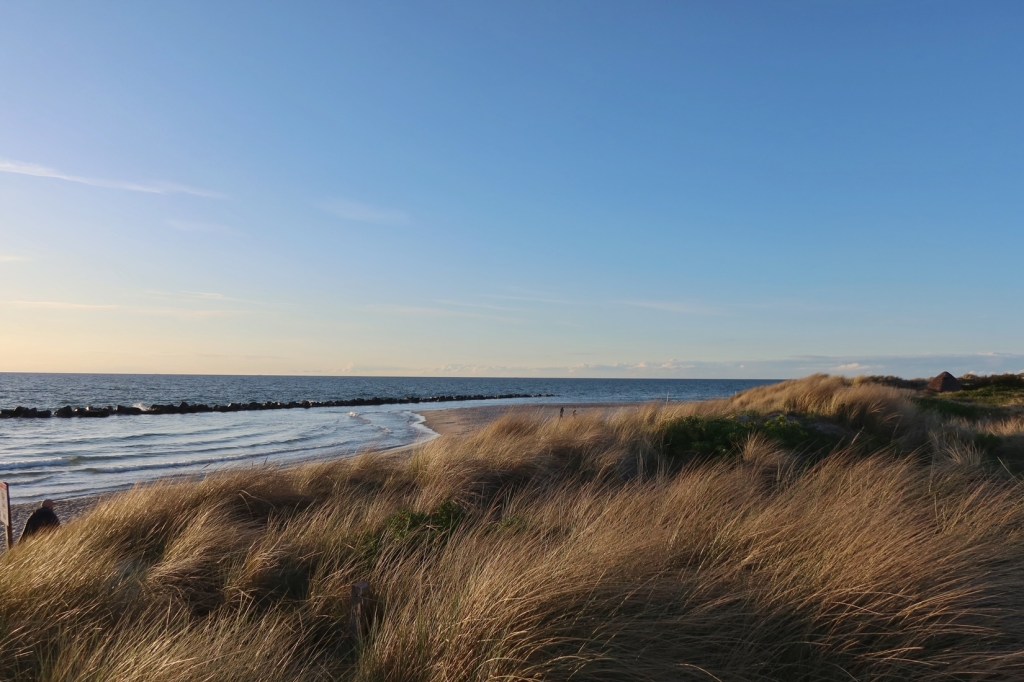
We discovered the surf school on a bike ride from Wustrow, following the Bodden until we reached Born and then heading across the peninsula to ride the trail along the cliffs above the Baltic. This is a brilliant place for cycling, with miles of car-free bike trails along the dykes, through the forest, and linking all the towns and resorts. Shop 8 Bike Rental have branches all along the peninsula and have a range of bikes available, including KTM mountain and gravel bikes, and a range of E-bikes for extremely fair prices.
Favourite walk in Wustrow
The walk that we return to time and again (and which we have written about before) is the loop from Wustrow harbour along the Bodden until you reach Althagen harbour. From here you head up into the town of Ahrenshoop before following the coastal path back towards Wustrow pier.
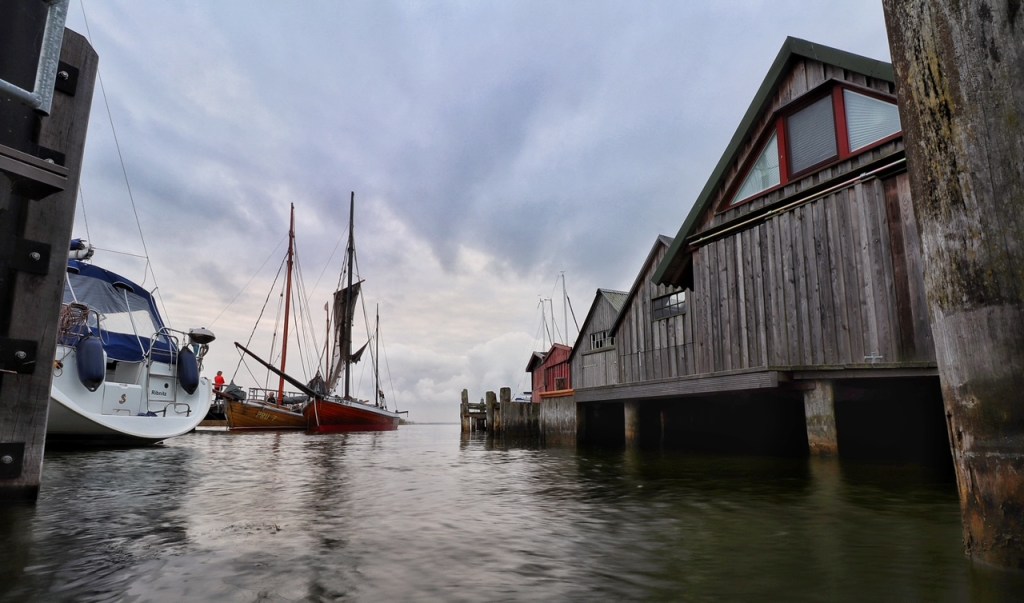
The walk is about 14 kilometres with both Althagen harbour and Ahrenshoop offering nice spots for a rest, a beer and some smoked fish to fuel the rest of the walk. This walk, with its mix of Bodden views, sandy cliffs and beach, as well as the thatched houses of the towns and villages along the way, is a wonderful way to get a feel for the landscape and the communities of the Baltic shore.
A second walk that takes in the Darßerwald forest and its lighthouse trail, all within the Western Pomerania Lagoon Area National Park, is the 13.5-kilometre loop from the town of Prerow. This follows the coast with some nice bathing beaches (including nudist options!) until you reach the lighthouse, and then follow the trail back through the heart of the forest.
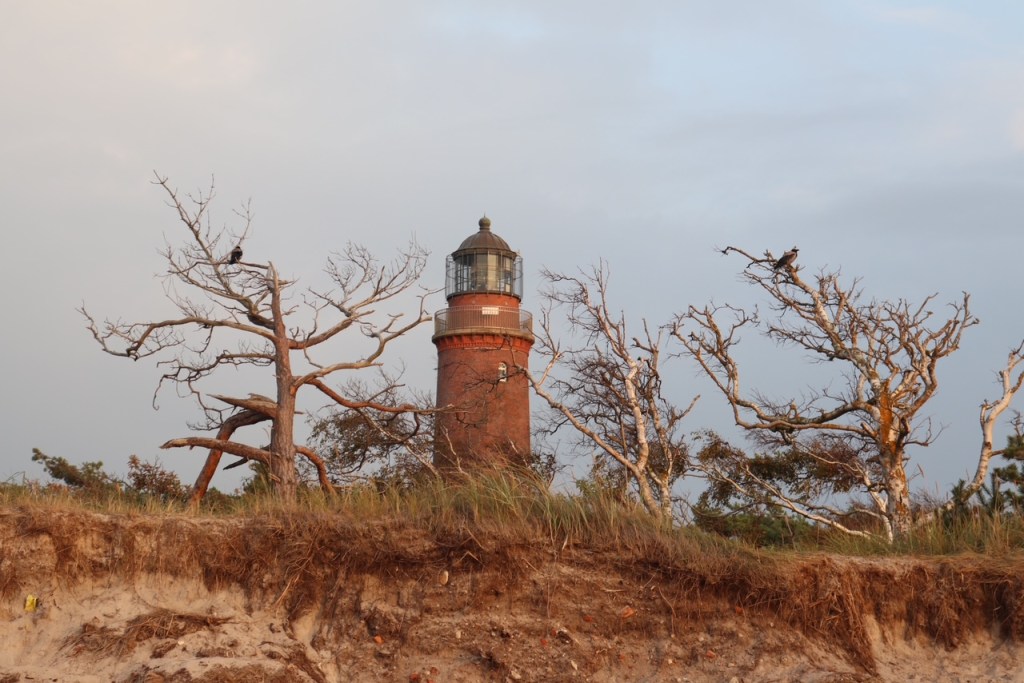
Much of the forest was a restricted zone during the years that Fischland-Darß-Zingst was part of the German Democratic Republic. The coast was a border zone, and the restrictions that came with it had the unintended consequence of preserving much of the region. Its protection status today means that no human development is allowed beyond the maintenance of what already exists, and just a few kilometres from the bustle of Prerow resort it is possible to get a real sense of escape, from the dunes and broad beaches to the depths of the forest with its pines, oaks and alders.
Travel tips for Wustrow
There are a couple of hotels in Wustrow, but we almost always stay in rented apartments through the local Fischländer Ferien agency. At the time of writing, their website is only in German, although many properties seem to also be available via AirBnB or Booking.com.
There are a number of campgrounds on the peninsula, although some of them can only accommodate campervans and mobile homes, while others are more orientated to the Dauercamper or “permanent campers” (static caravans) than tourists or other short-term visitors. We have not stayed there, but there are some good things being said about the team behind the Ahoi Camp Darß in Prerow… and this campground would be the perfect starting point for the lighthouse walk above!
If you eat fish then the first thing you’ll want to do is try a Fischbrötchen. These fish rolls can be found all along the Baltic shore, and in most of the Bodden harbours you’ll find smokers and kiosks where you can try them. The stall at Wustrow harbour is a safe bet, while the stand behind the pier also offers fish and chips and other more substantial meals.
Baltic beers worth trying include the range from Störtebeker, a Stralsund brewery named for a legendary pirate, and you’ll find them for sale at the kiosks in Wustrow as well as in the supermarket. In Prerow, the Darßer Brauhaus is a local craft brewery and restaurant, with a range that includes IPAs, Dark IPAs, as well as a pilsner and wheat beers.
Once you are on the Fischland-Darß-Zingst peninsula it is possible to do all your exploring by foot or by bike. The nearest train station is at Ribniz-Damgarten, from where a local bus service links all the towns on the peninsula and is timed to meet the train connections. The DB website (and their Navigator App) is good for planning your trip. For orientation, the journey from Berlin to Wustrow by train and local bus takes about four hours with changes in Rostock and Ribnitz-Damgarten.
An alternative from Berlin is Flixbus, which has a direct connection to Wustrow in just under four hours.
Words by Paul Scraton
Photographs by Katrin Schönig
